Climate Resilience, Close to Home

Updated: Oct 2
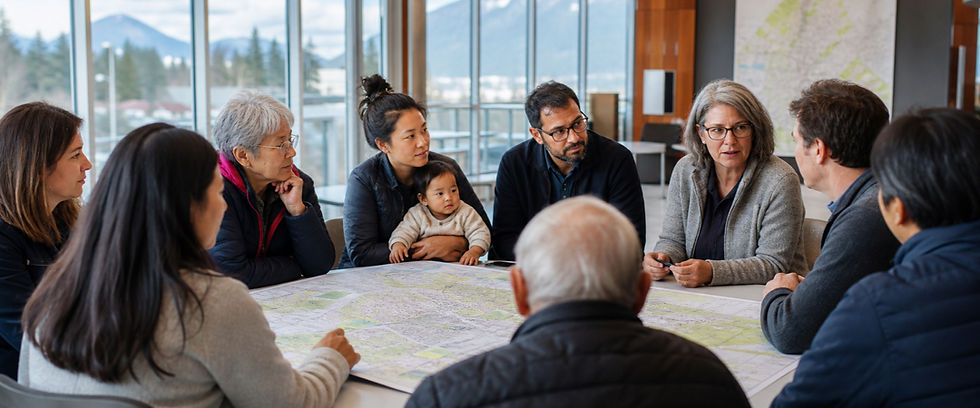
I recently chatted with Laurie Parkinson, a retired biologist with an MSc from UBC, and years of volunteer leadership with Force of Nature and the BC Climate Hub.
We talked about practical climate action for North Vancouver.
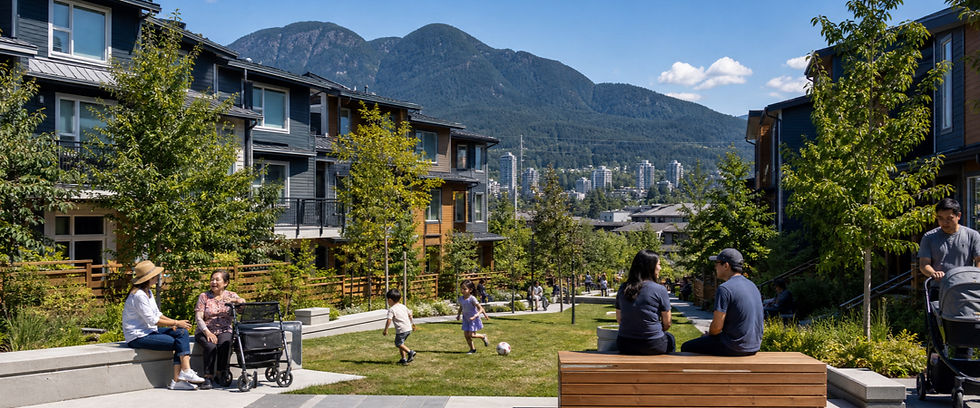
The City has been a leader in many areas of new home construction. Over the past decade, we’ve seen better building efficiency, lower-carbon standards and strong EV-ready infrastructure.
We’ve done a lot really well.
Build it right the first time
Buildings last for generations.
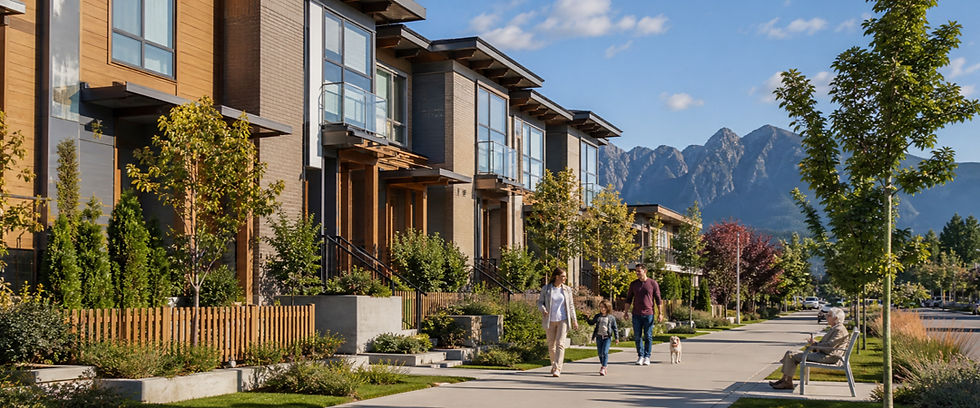
It makes sense to build comfortable modern homes with better insulation, fewer drafts, efficient electric heating and cooling, and EV wiring already in place.
Doing it right from the start can avoid expensive retrofits later.
I support maintaining North Vancouver’s strong Energy Step Code, Zero Carbon Step Code and EV-ready requirements, while continuing to look at how larger multifamily buildings can move toward lower operational emissions too.
Build for the future from day one.
The harder next step: The buildings we already have
Most of our buildings already exist.
Many older homes, condos and rental buildings were built without cooling, heat pumps or the electrical infrastructure needed for EV charging.
Adding those systems can mean electrical upgrades, permits, strata decisions, contractor quotes and multiple rebate programs.
That’s where the City can help.
CNV already participates in Jump on a New Heat Pump, which helps condos, co-ops and rental buildings understand heat-pump retrofits and available funding.
I’d like to build on that work with simpler retrofit processes, stronger guidance for residents and stratas, and better help navigating provincial and utility funding.
I’d also like larger new multifamily buildings to be designed with better whole-home cooling in mind.
As summers get hotter, heat pumps are especially valuable because the same efficient system can provide heating in winter and cooling in summer.
Lonsdale Energy is a major opportunity
Lonsdale Energy serves roughly one in four City residents through a network of hot-water pipes beneath our streets.
Most of its energy still comes from natural gas today, but that mix is starting to change.
LEC is investing in lower-carbon energy, including a major wastewater heat-recovery project using industrial heat pumps.
That creates a real opportunity.
If LEC can increasingly use wastewater and other viable sources of recovered heat, the existing network could become significantly lower carbon without requiring every connected building to replace its heating system individually.
Cooling also needs to be part of the conversation.
New homes in BC now need at least one living space designed to remain below the provincial summer temperature threshold. But that isn’t the same as whole-home cooling.
Expanding district cooling more broadly could require significant new infrastructure, so we need some big-picture thinking about what LEC should provide in the future and where district energy makes the most environmental and economic sense.
Independent oversight and a clear test for expansion
For a City-owned energy system this important, Council should also have access to independent expertise.
I support an arms-length technical and financial review looking at:
lifecycle costs
emissions
heating and cooling
alternatives such as building-level heat pumps
long-term infrastructure needs
where future expansion makes environmental and economic sense.
The goal is to make sure residents are getting the cleanest, most reliable and most cost-effective heating and cooling possible.
Make the progress visible
Climate plans only make sense if they’re affordable, protect our health, and we know they’re working.
The measures we report should mean something to residents.
We should be able to clearly track:
how many new homes are meeting stronger energy and low-carbon standards
whether larger multifamily buildings are moving toward stronger Zero Carbon requirements
how many existing buildings are installing heat pumps or receiving retrofit support
access to effective cooling
Lonsdale Energy’s energy mix, costs and emissions
tree canopy
whether more trips are being made by walking, rolling and transit.
Residents should be able to easily understand: What did we commit to? Are we on track? If not, what needs to change?
My Climate Priorities
Protect what’s working. Maintain strong energy-efficiency, low-carbon and EV-ready requirements.
Build new homes for the future. Improve building performance and move larger multifamily housing toward lower-carbon heating and better cooling.
Make existing buildings easier to upgrade. Build on programs like Jump on a New Heat Pump, simplify retrofits, and help residents navigate funding.
Accelerate Lonsdale Energy’s transition with independent oversight. Support promising low-carbon investments while independently evaluating cost, emissions, cooling and future expansion.
Make progress visible. Give residents clear information about whether our climate investments are actually delivering.
North Vancouver already has a strong foundation.
The opportunity is to build thoughtfully on what hasn’t been done yet.
More comfortable homes. Cleaner energy. Cleaner air. Cooler streets. Better transportation choices. A healthier urban forest.
These are all part of a practical climate resilience strategy.
Sources: