Safe & Welcoming Neighbourhoods

Updated: Oct 2
A city can look good on a map and still be frustrating to move through.
You feel the difference at street level.
Can a child get to school safely?
Can a senior cross the street comfortably?
Can someone using a wheelchair move through the neighbourhood?
Can you get to work without sitting in avoidable congestion?
Is the park comfortable on a hot afternoon?
Can a business receive a delivery?
Can you find a parking space when you need one?
That's what Safe & Welcoming Neighbourhoods means to me. They are the small pieces of daily life add up.
Make It Easier to Get Around
North Shore traffic isn't something one City councillor or one municipality can solve alone.
People move between the City, District, West Vancouver, Vancouver and neighbouring First Nations communities every day. We need to work across boundaries.
I'll advocate for stronger regional transit connections and better service in neighbourhoods that aren't well served today.
And within the City, I want us focused on the places where practical changes can help now.
Congested intersections
Signal timing
Unsafe crossings
Gaps in sidewalks
Disconnected cycling routes
Bus reliability
Loading and delivery conflicts
Transportation works as a network
Improving one way of getting around can make another work better too.
Street Safety
The City's Safe Mobility Strategy says approximately 10 collisions a year result in serious injury or death.
More than two-thirds of reported collisions happen at intersections.
That's a pretty clear place to focus attention.
In my first year, I'd push for a citywide school-route safety priority list.
Look at routes around every school.
Identify the highest-risk locations.
Publish the list.
Then start with quick improvements where they make sense.
The City's own strategy points to tools such as paint, delineators, signs and parking adjustments as low-cost, quick-build interventions. It also specifically calls for further investment in designated walking and rolling routes to schools.
Sometimes a small change in the right place can make a real difference.
Fill the Gaps
A safe route is only as useful as its weakest link:
One missing sidewalk
One crossing with poor visibility
One cycling connection that suddenly disappears
One transit stop that's difficult for someone with limited mobility to reach
I'd like the City to keep a clearer public inventory of those gaps and work through them based on safety and network value.
That also means better coordination across the North Shore. A route shouldn't suddenly stop making sense because you crossed a municipal boundary.
Public Spaces Should Feel Cared For
Benches
Shade
Lighting
Trees
Accessible paths
Places to sit
Washrooms
Good maintenance
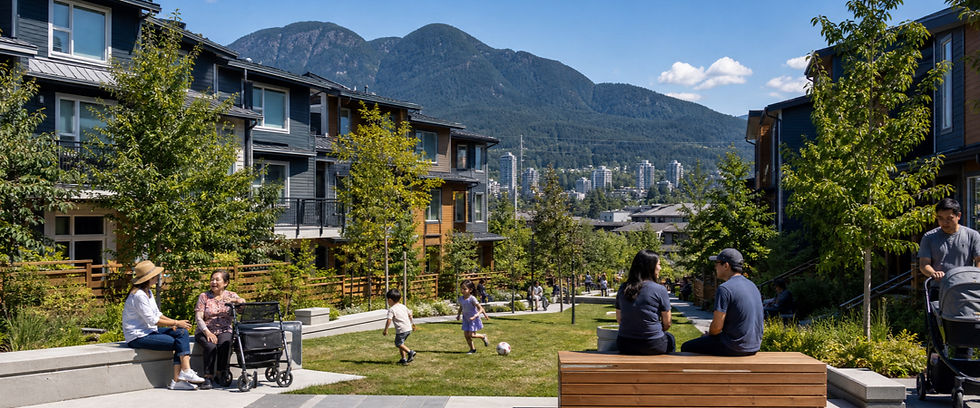
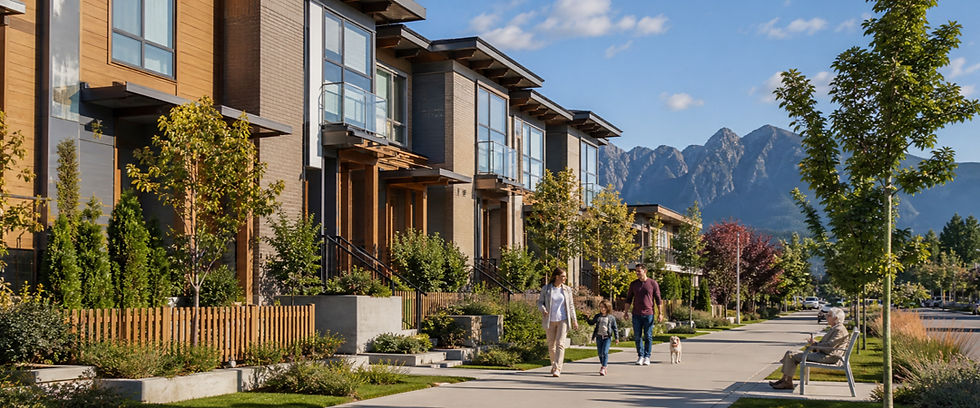
Together, all of these things determine whether a park, plaza or street works for a parent with a stroller, a teenager meeting friends, a senior out for a walk, or someone who simply wants somewhere comfortable to spend time.
As North Vancouver gets denser and summers get hotter, shade and trees become infrastructure too.
Support the Streets Where Local Businesses Live
My parents ran a small store near Lonsdale and 15th, so I remember how much work goes into keeping a small business going.
Healthy main streets need foot traffic and good public spaces.
They also need loading, deliveries, customer access, predictable City processes and a chance for businesses to be heard when changes are being made around them.
Parking fits into that.
I understand why the City introduced pay parking in high-demand areas, but I also think a new system should be adjusted as the evidence comes in. We need to review and adjust pay & permit parking.
Publish the occupancy data.
Look at the hours and boundaries.
Improve options for guests, caregivers and frequent medical visits.
Report the revenue and costs.
Then adjust.
Daily Life Is the Test
I don't see transportation, accessibility, public space, climate resilience and local business as completely separate issues.
They're different parts of the same question:
Does everyday life work?
As North Vancouver grows, I want it to become easier to navigate, safer to move through and more comfortable to spend time in.
Sources