The North Van Standard: 12 Questions I'd Ask Before a Major Decision

North Vancouver is growing, and we're going to have some big decisions in front of us.
When those decisions come to Council, I want us asking the same tough questions every time.
I've put together twelve.
They don't automatically produce a yes or a no.
They're a standard for the information I think we should have before making a major decision.
Part 1: Growth & Daily Life
1. Are We Getting the Right Housing?
How many homes is one question, but what kind matters too.
Rental or ownership?
Family-sized homes?
Seniors housing?
Below-market or non-market?
Homes an essential worker could realistically afford?
A unit count doesn't tell the whole story.
2. Does It Help Affordability?
We need to understand who can actually afford the homes.
Are below-market homes legally secured?
For how long?
What happens to existing renters if redevelopment occurs?
Does the proposal create lasting affordability?
3. Can the Infrastructure Keep Up?
Transportation
Water and sewer
Parks and recreation
Schools
Childcare
Healthcare
Community services
The City doesn't control every one of those things, but major growth decisions should still show what additional pressure is expected, what capacity exists, and which level of government or organization is responsible for the response.
4. How Will People Actually Get Around?
What happens to traffic?
Is nearby transit frequent and reliable enough?
Are walking routes safe?
Are cycling connections useful?
What about deliveries, people with disabilities, local businesses and emergency access?
Transportation needs to work in real life, not only on a traffic study.
5. What Does the Neighbourhood Gain?
A major project should make a clear contribution to the place around it:
Affordable housing
Childcare
Improved public space
Safer streets.
Trees and shade
Community amenities
Better walking, cycling or transit connections
What is the benefit, and is it actually secured?
6. What Does It Cost, and Who Pays?
What's the financial picture?
What new infrastructure is needed?
What does it cost to maintain over time?
What revenue or contributions come with the project?
Who carries the cost?
A good decision needs both the community case and the financial case.
Part 2: Community & Accountability
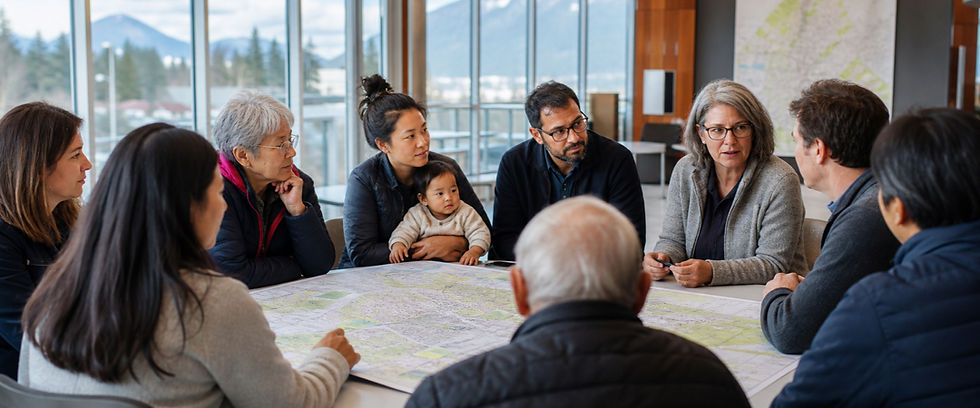
7. Were People Involved Early Enough?
Engagement should happen while choices can still change.
When did residents first hear about the proposal?
What could still change at that point?
Could renters, working families, seniors, younger residents and others realistically participate?
And can we show how the feedback affected the result?
8. Does the Neighbourhood Work Better?
A project doesn't stop at the property line.
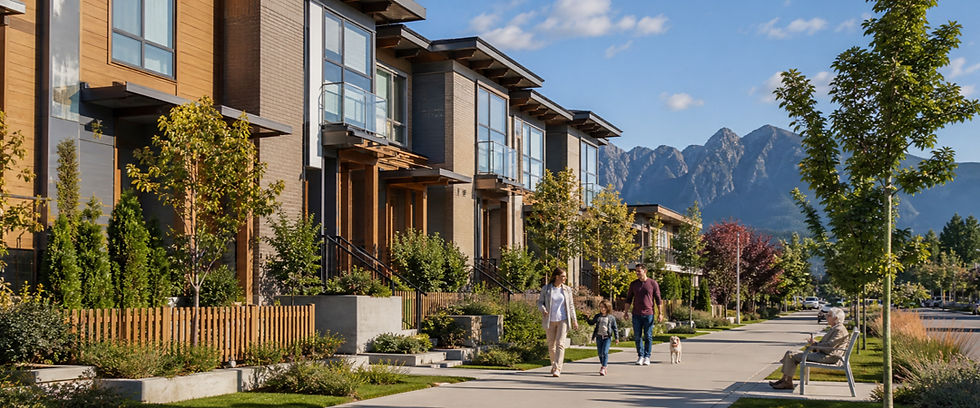
Are the sidewalks better?
Is the street safer?
Does the public space work?
Are local businesses supported?
Is the neighbourhood more comfortable for a child, a senior or someone with a disability?
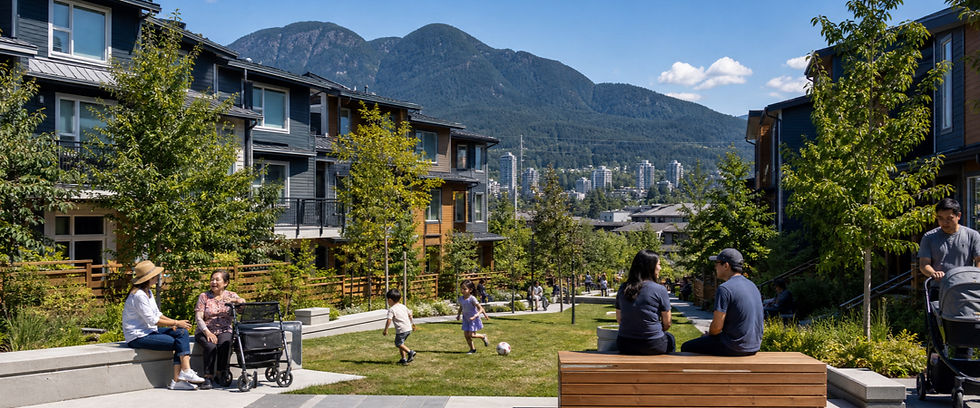
Growth should make daily life better around it.
9. Can City and Community Services Keep Up?
A growing city also puts pressure on fire protection, policing, libraries, parks, recreation and other community services.
What additional demand is expected?
Do we have the capacity?
If not, what's the plan?
10. Are We Building for the Climate We're Going to Have?
Trees and shade
Stormwater
Energy use
Extreme heat
Building efficiency
Climate resilience
A building may be here for generations, so we should be thinking on the same timeline.
11. Who's Responsible for Delivering the Commitments?
If something is part of the case for approving a major project, I want to know:
Who's responsible?
When will it happen?
How is it secured?
And what happens if it slips?
Good intentions aren't enough.
12. How Will We Know If It Worked?
This may be the simplest question.
What are we trying to achieve?
Define that before the vote.
Then come back later and show the public:
What was promised?
What was delivered?
What changed?
What did we learn?
A Consistent Standard
Different projects will have different answers, and there will be trade-offs for Council to weigh.
But I think we should be consistent about the questions we ask.
That's what I mean by The North Van Standard.
Look beyond a single number or headline:
Ask the hard questions.Understand the trade-offs.
Then show people how the decision was made.
Sources and Background
City of North Vancouver Housing Target Report.
City of North Vancouver Housing Needs Report.
City of North Vancouver land-use approval process.
City of North Vancouver Safe Mobility Strategy.